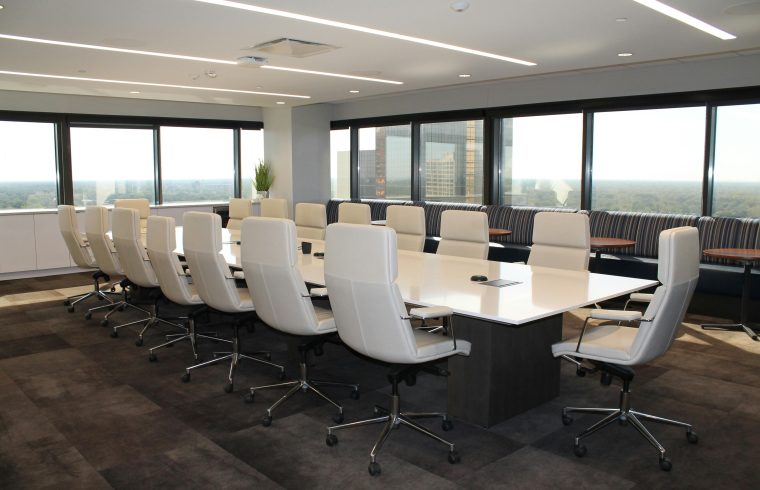
The design of a meeting room significantly impacts productivity and creativity during meetings. The arrangement of tables and chairs plays a crucial role in creating an environment conducive to discussion, collaboration, and participant focus.
Boardroom Style
The boardroom style is one of the most common meeting room designs. A rectangular or oval table is typically placed in the center of the room with chairs surrounding it. This style is ideal for meetings that require direct interaction between participants and presentations.
Table Examples:
- Long tables with elegant designs and solid wood construction.
- Oval tables with a laminate finish offer a modern, professional look.
- Rectangular tables with metal accents on the sides have a modern feel.
Chair examples:
- Leather executive chairs with high backs and height adjustments.
- Low-back chairs with comfortable ergonomic designs.
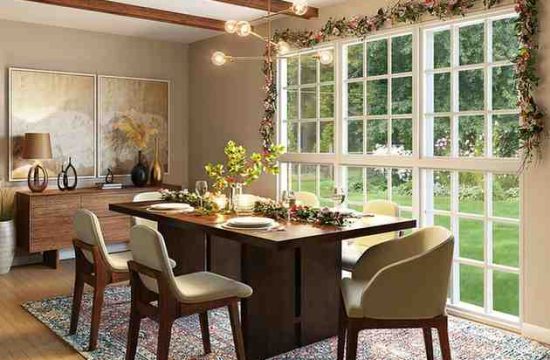
- Minimalist wooden chairs with soft cushions provide long-lasting comfort.
U-Shape
A U-shaped meeting room is designed with a long table in the center and two open sides, allowing participants to interact. This design is ideal for discussions that involve presentations and Q&A sessions.
Example tables:
- U-shaped tables are made of wood, creating a professional atmosphere.
- Modular tables can be customized to suit your needs.
- Tables with glass tops offer a more modern look.
Example chairs:
- Ergonomic chairs have back support and wheels for mobility.
- Chairs with low backs and sleek designs are ideal for meeting rooms with large tables.
- Armchairs provide greater comfort during long meetings.
Herringbone
The herringbone design arranges tables and chairs in a zigzag pattern, allowing participants to face each other. It is often used in collaborative meetings or workshops because it encourages active participation from all members.
Table Example:
- A rectangular table with cut-away corners to create space for the herringbone pattern.
- A triangular table with sharp cut-away corners to support the Herringbone formation.
- Modular tables can be rearranged to create the desired herringbone pattern.
Chairs Example :
- Minimalist chairs with low seats and backs.
- Rattan or plastic chairs with simple, lightweight designs.
- Ergonomic plastic chairs with curved shapes for comfort.
Classroom
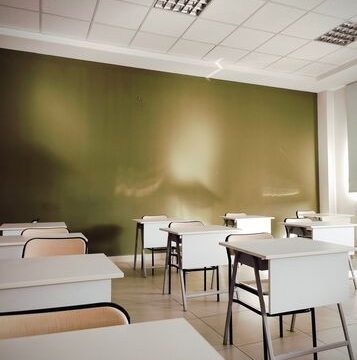
The classroom meeting room design imitates the layout of a traditional classroom, with rows of tables and chairs facing each other. This design is ideal for meetings that require conveying a lot of material, of presentations or training sessions. It allows participants to focus on the presenter.
Table Example:
- A long table with seating on one side is suitable for seminar sessions.
- A small folding table with adjustable chairs.
- A semicircular modular table offers flexibility.
Examples of chairs include:
- A seminar chair with a small table attached to the side for writing.
- A stackable plastic chair for easy storage and setup
- A fabric chair with a high back for long-lasting comfort.
–sh