When choosing furniture, it’s important to consider not only the design and style, but also the quality of the materials used. The material you choose will significantly impact the furniture’s durability, comfort, and appearance in your home.
Consider the Main Material Type
Before purchasing furniture, it’s important to understand the main material. This will determine how durable the furniture will be. For example, if you have a large family and frequently have meal together, a dining table made of solid wood or metal would be a better choice as it is stronger and more durable. However, for a rarely used guest room, furniture made from plywood or MDF might be sufficient.
Check the Finish
The finishing process involves applying a final layer to protect furniture and enhance its appearance. A good finish will protect furniture from scratches, stains and other minor damage. There are several types of finish, including varnish, paint and laminate. Choose the one that best suits your needs.
For example, if you have a wooden table in your living room on which you frequently place drinks, make sure the finish is waterproof to prevent damage from spills. A varnished wooden table or a metal table may be a better choice as these finishes make the surface more water-resistant and easier to clean.
Adjust to Your Lifestyle
The type of furniture material that’s suitable also depends on your lifestyle. If you have small children or pets, choose a stronger, easier-to-clean material. Stain-resistant fabric or synthetic leather may be a good choice for a sofa. You could consider metal furniture, which is certainly more durable and resilient.
Pay Attention to the Texture and Visual Quality of the Material
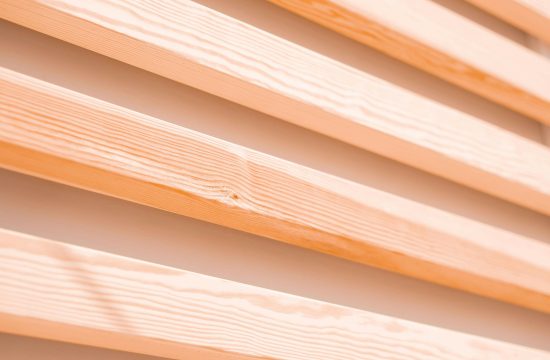
As well as durability, the texture and appearance of the material are important factors to consider. High-quality materials usually have an attractive texture. Wood has a natural grain that creates a unique appearance, whereas cheaper materials like MDF tend to be plainer and less attractive.
Consider the Furniture’s Weight
Heavier furniture is usually made from higher-quality materials, especially if it’s made of solid wood or metal. Heavier materials are often more durable because they are more solid and stable. However, you also need to consider whether you need furniture that’s easy to move. If so, perhaps choose a lighter material that is still strong.
Check certifications and warranties
Quality furniture usually comes with certifications showing that the materials used meet standards. Furthermore, a warranty is an indication that the manufacturer is confident in their product quality. If you’re buying a wooden cabinet, check for certifications showing that the wood is sustainably sourced. This ensures that you are getting quality materials and is also more environmentally friendly.
Compare Price With Quality
Price is often directly proportional to material quality. Furniture made from premium materials, such as real wood or genuine leather, is generally more expensive but also more durable. Conversely, cheaper furniture is usually made from less durable materials, meaning you will likely need to replace it sooner.
Pay attention to furniture material care
Each material requires different care. Solid wood, for example, needs to be polished or refinished to protect it from damage. Fabric, on the other hand, may require frequent cleaning to prevent fading or damage.
–sh