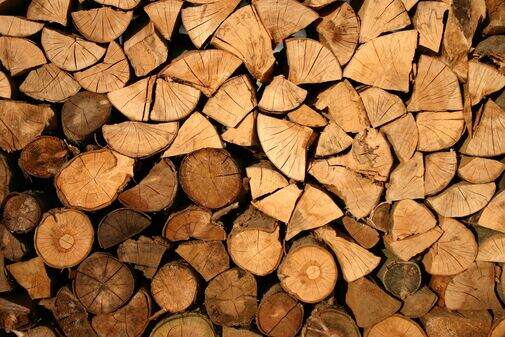
The wide variety of wood species found in Indonesia makes wood a material frequently used for various purposes. Beyond that, wood possesses a high aesthetic value compared to other materials. This is due to the wide variety of colors and grain patterns found in wood.
Strength and durability are, of course, other important factors for various applications, including interior design and construction materials. One type of wood that is often used as an alternative is camphor wood.
Many people choose it as an alternative to expensive woods like teak, so understanding its price range can help you balance your needs with your budget. The price of camphor wood varies depending on its size, quality, and condition (dry or wet).
Camphor wood is a type of wood native to tropical regions. Historically, camphor trees originated in China, Taiwan, Korea, India, and Indonesia. Even today, camphor trees are cultivated and planted in each of these countries. Camphor wood is often used as an alternative to teak, which is more expensive.
Advantages of Camphor Wood:
It has the same quality as teak, making it a suitable alternative to teak.
Its distinctive aroma, similar to barus wood, makes it resistant to termite and insect infestations.
It is quite strong, resistant to mold, and does not rot easily.
It has high durability, making it suitable for outdoor furniture.
Its beautiful and aesthetic look makes this wood more appealing even without additional paint or coatings.
Disadvantages of Camphor Wood:
It is prone to expansion due to extreme weather and temperature changes.
It is not easy to shape and requires a more labor-intensive process.
Not everyone likes the scent of camphor.
It requires proper coating and preservation techniques to ensure the wood lasts a long time.
Camphor wood is relatively more expensive, though not as expensive as teak.
Many people are interested in this type of wood because of its high durability. One reason camphor wood is widely used is that it is highly resistant to termites; this is due to its distinctive aroma, which termites dislike.
Not only that, but it also has a tight grain and a hard texture, so termite mandibles cannot penetrate the wood’s outer layer—which is why it’s often used for interior materials and furniture.
–sh