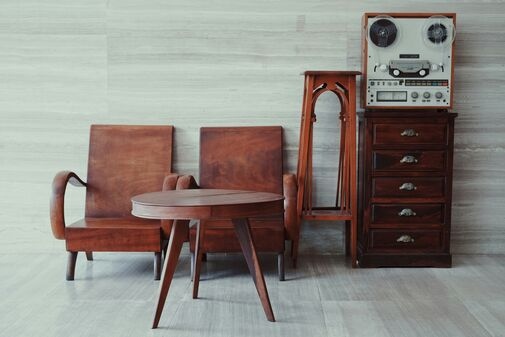
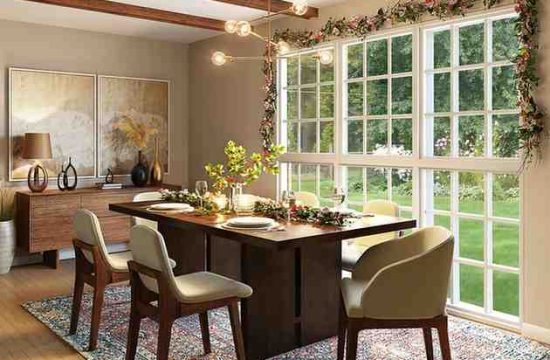
Furniture is one of those purchases you live with every single day. You sit on it, eat at it, store your life in it. So, when you’re standing in a showroom, or scrolling through an online catalogue, the material underneath the finish matters far more than most people realize. And the question that comes up again and again is a simple one: solid wood or engineered wood?
Both have their place. The trick is knowing what each one actually offers, so you can match the material to the way you live rather than the way a price tag makes you feel.
What Is Solid Wood Furniture?
Solid wood furniture is made from natural timber, cut from the tree and shaped into boards, legs, frames and panels. There’s no composite core hiding beneath a thin layer of something else. What you see is what the piece is made of, all the way through.
That’s a big part of its appeal. Teak, mahogany, mango and acacia each bring their own grain, color and character, and no two pieces look exactly alike. Over time, solid wood also ages gracefully. A dining table can pick up a few marks along the way, but it can be sanded, refinished and brought back to life, sometimes more than once.
What Is Engineered Wood Furniture?
Engineered wood, on the other hand, is manufactured. Plywood, MDF and particleboard are built from thin veneers, wood fibers or chips bonded together with adhesives under heat and pressure. Often, a real wood veneer or a printed laminate sits on top to give the look of timber.
It’s easy to dismiss engineered wood as the “cheap option,” but that isn’t quite fair. Good-quality plywood, for example, is remarkably stable and strong. Engineered boards also resist warping better than many people expect, which makes them a smart choice for large flat panels like cabinet backs and wardrobe doors.
Durability and Quality: Where the Real Difference Shows
Here’s where the comparison gets interesting. Solid wood is generally the more durable option over the long run, mainly because it can be repaired. A scratch on a solid teak chair is a surface issue. A deep gouge in a laminate-covered particleboard shelf, however, can expose the core, and once moisture gets in, the damage is hard to reverse.
That said, solid wood isn’t invincible. It reacts to humidity, expanding and contracting with the seasons. This is why the way timber is dried and joined matters so much. Properly kiln-dried wood, combined with traditional joinery, keeps a piece stable for decades. Cut corners at this stage, and even the best timber can crack or warp.
Engineered wood tends to be more consistent from board to board, which is helpful for budget-conscious projects. Its weakness is longevity. Heavy daily use, frequent moving and exposure to damp conditions will wear it down faster.
Design and Comfort: Beyond the Surface
Once durability is on the table, design is the next question. Solid wood gives craftsmen real freedom. Curved armrests, carved details, turned legs and deep-set joints are all possible because the material can be worked in three dimensions. That’s why heirloom-style chairs, beds and cabinets are almost always built from solid timber.
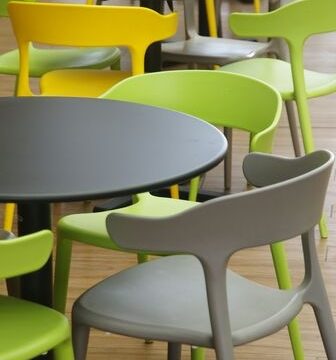
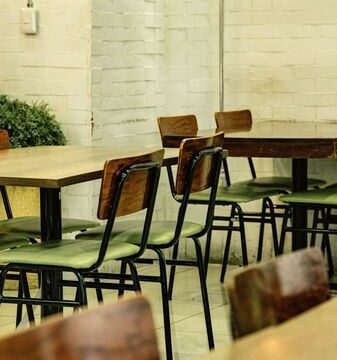
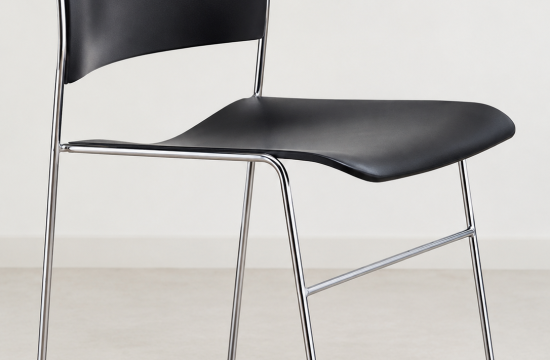
Engineered wood shines in a different way. It’s lighter, which makes it easier to move and ideal for modern, minimalist designs with clean lines and large, uninterrupted surfaces. For comfort, the frame matters more than the label: a well-built wooden chair, whichever material it uses, should support your posture without feeling stiff.
Why Indonesia Is a Smart Source for Both
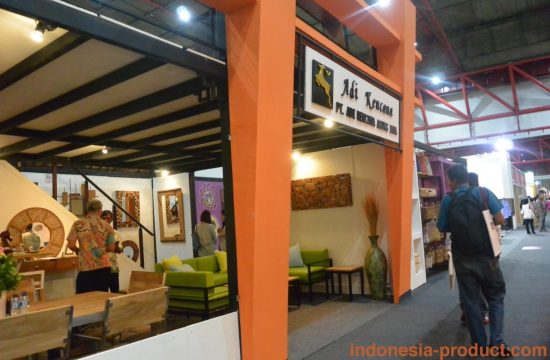
If you’re comparing options, it’s worth looking at where your furniture comes from. Indonesia has been producing wooden furniture for generations, and the country’s tropical climate gives it access to a remarkable range of Indonesia woods, from dense, golden teak to mahogany, mindi and fast-growing plantation species. Many buyers searching for woods furniture from Indonesia are drawn first by this variety, then by the craftsmanship that goes with it.
Indonesian artisans, particularly in regions like Jepara, have honed their carving and joinery skills over centuries. That experience shows in the details: tight joints, smooth finishes and proportions that look right from every angle. Just as importantly, today’s Indonesian manufacturers combine that handwork with modern workshops, kiln-drying facilities and quality control systems.
This is also why Indonesian factories can serve so many different needs. Some specialize in classic solid wood pieces. Others work with plywood and veneers for contemporary collections, or blend both materials in a single design. Whether you’re furnishing a single home or sourcing for a hotel, café or retail project, producers here can usually handle custom sizes, finishes and volumes without losing consistency.
So, Which One Should You Choose?
Ultimately, the solid wood vs engineered wood debate doesn’t have a single winner. If you want furniture that lasts, ages with character and can be restored, solid wood is hard to beat. If you need lightweight, budget-friendly pieces for a modern space, quality engineered wood can serve you well.
Many of the smartest furniture choices actually combine the two: solid wood frames for strength, with engineered panels where stability matters. Whatever you choose, look closely at the construction, the drying process and the finish. Those details tell you far more about a piece than the material name alone.
And if you’re ready to explore what’s possible, Indonesian furniture makers are well worth a look. The materials are rich, the craftsmanship is real, and the flexibility to match your needs is hard to find elsewhere.