A PRIVATE sector organization will head a study group that will determine the impact of the Japan-Philippine Economic Partnership Agreement (Jpepa) in the semi-conductor, automotive, furniture and garments industries.
The study will be facilitated by the Universal Access to Competitiveness and Trade (U-Act), together with the Office of the Special Envoy for Trade Negotiations, Department of Trade and Industry, Philippine Chamber of Commerce and Industry, Philippine Exporters’ Confederation and the De La Salle University- Angelo King Institute (DLSU-AKT).
Ryan Patrick Evangelista, U-Act executive director, said the views of Cebu’s industry leaders will help in the ratification of the Jpepa, which is pending in the Senate.
“It is important that we get regional views on the matter, especially in Cebu where these industries are strong,†Evangelista said in an interview following the regional consultation on Jpepa last Tuesday.
He said Jpepa would revive the attractiveness of “dying†industries like garments and furniture manufacturing as well as automotive, semi-conductors and electronics to Japanese consumers.
Free flow
The Jpepa, signed by the governments of Japan and the Philippines in December 2002, aims to facilitate and promote the free trans-border flow of goods, persons, services and capital between the two countries.
Evangelista said that in an earlier consultation, players in the semi-conductor and electronics sector expressed approval of the Jpepa believing it would result in more inflows of technological exchange and investments from Japan, thus raising the country’s competitive advantage.
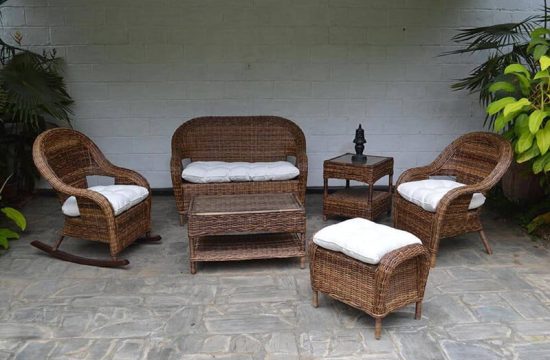
He said the furniture sector is also expected to benefit from new technological advancements which will raise the efficiency in the industry’s production level and strengthen the Filipinos’ creative edge.
Evangelista noted that even in the furniture design field, the Philippine furniture manufacturing and exporting industry faces stiff competition with Vietnam “closing in.â€
But with new technologies, the manufacturing component of exporters will improve, he said.
While Japan is considered a “minor market†in the garments industry, the ratification of Jpepa will be a “defensive measure†that will prevent Philippine garment manufacturers from losing Japanese consumers, said Potenciano Intal, DLSU-AKT executive director.
Bigger market
He said through Jpepa, Japan could become a bigger market for the sector.
“If we play our cards well, I suspect it’s a positive gain,†Intal said.
On the other hand, the automotive sector has “mixed opinions†on the treaty as strong contentions were raised on how to safeguard the local industry from importation of used cars, said Evangelista.
He said the study is set to be completed in the next two weeks and will be forwarded to the committee on foreign relations overseeing the hearings.
U-Act and DLSU-AKT, which are among the strong supporters of the Jpepa ratification, called on the private sector — including moderate labor groups — to fully understand the intentions of the economic partnership with Japan and its advantages for the Philippines.
Without Jpepa, Intal said more and more industries will become less competitive, as other countries like Malaysia, Thailand, Indonesia and others are pursuing their zero-tariff agreement with Japan. (MMM)