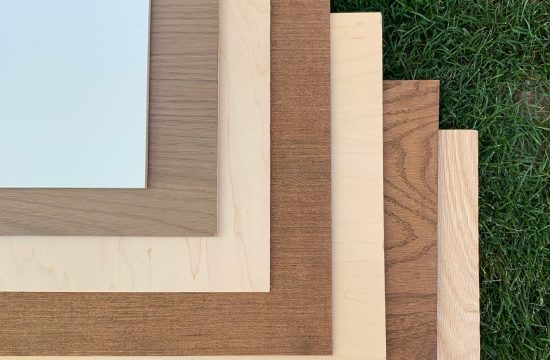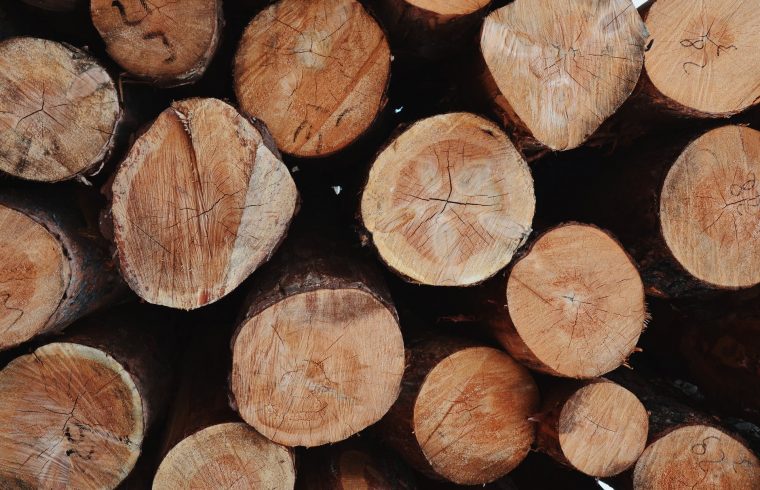
You may have heard the terms heartwood and sapwood, but what do these terms mean? And more importantly, which one should you use for wood projects? The simple answer, in many cases, is heartwood. The wood texture of this part is denser, stronger, and drier than sapwood. Also, heartwood usually has distinctive color from certain wood species, such as rich brown from walnut wood or reddish cherry color.
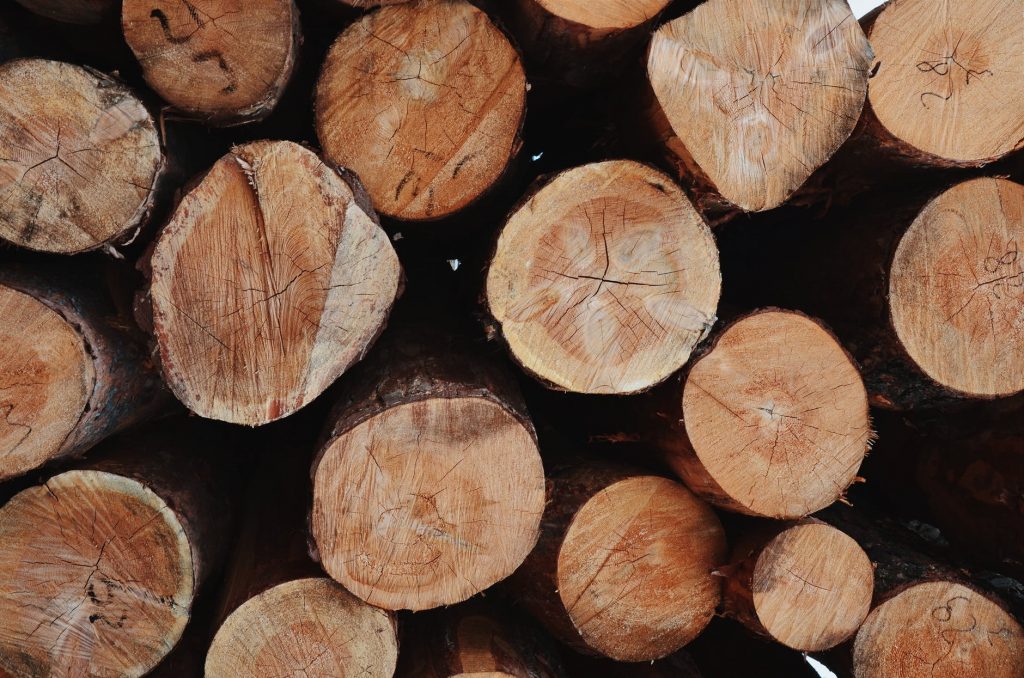
Heartwood has denser fiber and pores than sapwood so that the heartwood is harder – hard weighted, not easily broken. This makes heartwood strong and not porous. While what causes heartwood more durable than sapwood is because it has chemical elements such as toxic substances. These chemicals make heartwood resistant to wood destroying pests. That is why it is recommended to use heartwood as base material for making various wood home furniture.
Now that the differences have been highlighted, it is understandable why heartwood is often the preferred choice for many wood projects: attractive color, stability, durability and lower humidity levels than sapwood parts. However, this does not mean that sapwood will not be used for wood project. Many wood workers only use heartwood, but if used in a small area of the project and cared for carefully, there are still those who use sapwood. Whether you work with sapwood or heartwood, the key factor is making sure you use the type of wood that has the right moisture content you need. By using an accurate humidity meter, you can make sure the wood you install is fit with the beginning and is suitable for your project.
Therefore, the darker variations on solid wood mean they are the core of the wood. Don’t underestimate their quality based on their color, but instead respect the fact that they are relatively stronger and more resistant.
–sh