Metro stores add lines, remodel in weak economy
Jennifer Youssef / The Detroit News
A weak economy and an even weaker housing market are forcing Metro Detroit furniture dealers to rethink the way they do business.
As a handful of local furniture stores closed shop over the past two years, unable to adjust to a severe downturn in the state’s economy, others added new lines and renovated showrooms, changed the way their sales teams work with customers and expanded their marketing techniques to get customers in the store and furniture out the door.
Warren-based Art Van Furniture is mailing out its first 44-page catalog this month and will begin a broadcast advertizing blitz next month. And Gorman’s Furniture, based in Farmington Hills, has added dozens of new brands to its lineup, including the popular Stickley furniture, which company officials say has given business a major boost.
“In 2013, sales were up slightly and (so far) in 2014, they were down 2 percent, but we still feel lucky when we see other stores going out of business,” Gorman’s President Tom Lias said.
These are tough times for the $85 billion-a-year furniture industry.
Changing shopping habits — customers buying furniture online or from a catalog rather than going to a store — and more competition from other types of stores, such as Wal-Mart, Target and Costco, are to blame, as well as the slowdown in the housing market, particularly in Michigan.
The furniture industry’s woes are not unique to Michigan; nationwide, home furnishing chains made up the largest portion of store closings in the first half of this year, according to the International Council of Shopping Centers. Of the 3,081 stores that closed last year, 22 percent were furniture retailers.
Locally, among the store closings in the past two years are the Grand Rapids-based Klingman’s store in Shelby Township, the House of Denmark Michigan outlets and most recently, the three stores owned by Furniture Express, based in Romulus.
“The last few years have not been good to the furniture trade,” said Mike Pierce, director of the National Home Furnishings.
For furniture stores to stay in business, Pierce says they must have a knowledgeable sales staff, be ready to inform consumers and offer financing programs. And as more customers are getting their information on the Internet, it would be wise to have a Web presence and offer a delivery service.
New sales techniques
Art Van Furniture is exploring new sales techniques and different forms of marketing to stay ahead of the competition, director of communications Chris Morrisroe said.
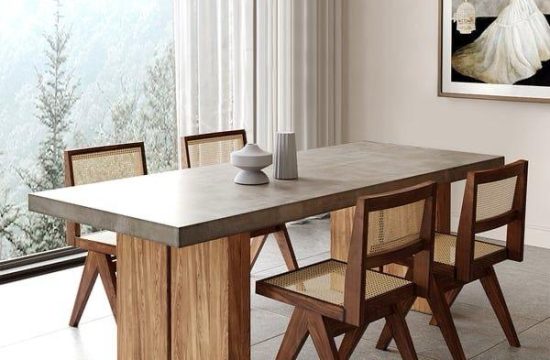
Salespeople are being trained to use a more relaxed approach when helping customers and the furniture is being arranged in “lifestyle settings” to show consumers how different pieces can be mixed and matched, rather than the old way of keeping different categories of furniture separated in “galleries.”
The company also is launching a new television and radio advertising campaign next month, will update its Web site in November, and has introduced three new lines this year: Michigan H.O.M.E.S, Huntington House and the Cindy Crawford Home collections.
Art Van can’t continue to operate the same way it has, Morrisroe said.
“You have to change and try something new,” she said. “If you don’t change, you will die.”
Focus on customer service
Gardner-White Furniture, based in Warren, “reinvents” customer service to accommodate shoppers and increase sales.
“We can’t do anything about the economy,” said Barb Tracey, vice president of promotions. “The only thing we can do is look at what we’re doing and do it better.”
The company has started sending customers e-mails about special deals and wants to expand its use of the Internet. Upper management meets with store managers once a week and goes to the chain’s seven stores nearly every day to talk to associates and customers to get feedback.
Gorman’s Furniture, once heavily invested in the Drexel Heritage brand, has scored a hit with its new Stickley line, plus more than 100 other brands it now sells. It also is concentrating on hiring top-notch interior designers to help customers choose furniture and decorate their homes, Lias said.
That part of the business is “way up,” he said.
“Some changes are forced on you,” he said. “It’s market dynamics. The furniture industry has always been competitive and if you’re still doing it the way you did it 10 years ago, you already missed the wave and it’s too late.”
Profit margins are slipping
Making a buck in the furniture industry has indeed gotten harder, as the competition from big box retailers and online has forced stores to cut prices.
Profit margins have shrunk over the past decade from 46.3 percent in 1996 to 36.8 percent in 2013, according to a report compiled by investment banking and corporate advisory firm Mann, Armistead & Epperson, Ltd.
The light at the end of the tunnel is the upcoming generation of young adults who will be buying homes in the next few years and will need to furnish them, said Jerry Epperson, the advisory firm’s managing director. “People really can’t do without furniture, and we’ve got a whole new generation emerging,” he said. “They’re the next big wave.”
Linda Hess and her fiance Mark Alexander, twenty-somethings from Sterling Heights who are about to purchase their first house, are an example of how shopping for furniture has changed.
They’re looking at store Web sites to decide where they will shop for furniture, and won’t even go into a store until after checking the Internet, Hess said.
“We don’t have a lot of time to go from store to store, so I just want to see what’s out there and be prepared,” said Hess, an emergency room nurse.
You can reach Jennifer Youssef at (313) 222-2319 or jyoussef@detnews.com.