Most of us never think about where a dining table or a sideboard actually comes from. We see it in a showroom, check the price, and sit down to test the comfort. Yet the decisions made long before that moment, such as which timber was chosen, how it was dried, and who joined the corners, decide whether a piece lasts three years or thirty. That is why a look inside an Indonesian furniture factory is worth your time, especially if you are choosing furniture you intend to keep.
It Starts with the Material
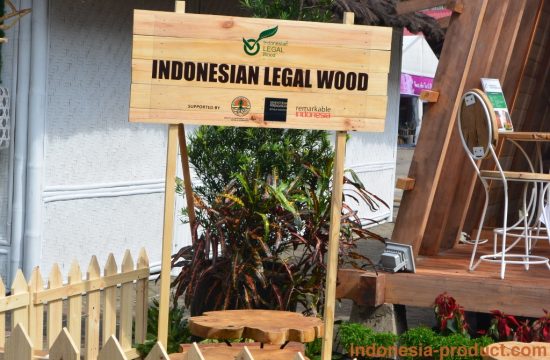
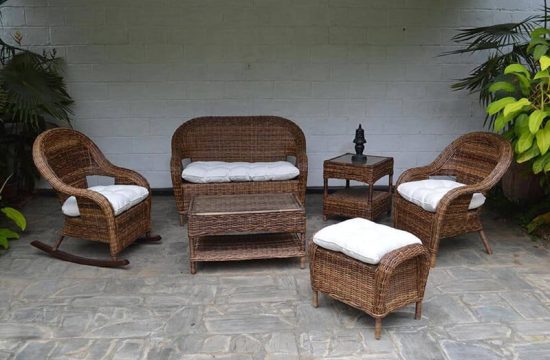
Every good piece begins with Indonesia furniture raw material, and the country has plenty of it. Teak is the best known, valued for its natural oils that resist moisture and insects. Mahogany, with its warm reddish tone and fine grain, is another favorite for classic designs. Alongside these hardwoods, rattan, bamboo, and reclaimed wood have become staples for lighter, more contemporary styles.
What matters most, though, is not just the species but the preparation. Logs are cut into boards and then dried, either in open air or in a kiln, until the moisture content reaches a stable level. Skip this step, and the wood will warp or crack once it reaches a home with air conditioning or a humid climate. Reputable factories treat drying as non-negotiable, and that discipline is one reason well-made Indonesian pieces stay true over the years.
Where Craftsmanship Takes Over
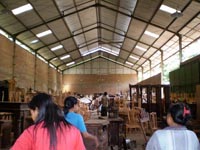
Once the timber is ready, the work moves to the cutting and shaping floor. Here, machines handle the heavy, repetitive jobs, such as planning boards to size or cutting standard parts. But the details that give a piece its character still pass through skilled hands.
Many workers in regions like Jepara, Cirebon, and Solo come from families that have carved and joined wood for generations. A carver might spend days on a single panel, following a pattern that has been refined over decades. Joiners, meanwhile, rely on traditional mortise-and-tenon joints and dowels instead of leaning only on screws and glue. This blend of machine accuracy and hand skill is what gives Indonesian furniture its balance of consistency and individuality.
Assembly, Sanding, and Finishing
After the parts are shaped, assembly begins. Pieces are fitted together, checked for squareness, and clamped while the joints settle. Then comes sanding, which is far more important than it sounds. A surface sanded in several stages, from coarse to very fine grit, feels smooth to the touch and takes stain or lacquer evenly.
Finishing follows. Depending on the design, a piece might receive a natural oil, a rich stain, a matte lacquer, or a distressed antique effect. Each coat is applied, dried, and lightly sanded before the next. It is slow work, but it protects the wood from daily wear and brings out the grain that makes solid wood so appealing. By the time the piece is wrapped, it has passed through dozens of hands and checkpoints.
Quality Control: The Quiet Step That Matters
Before any finished furniture leaves the factory, it is inspected. Staff check joints for tightness, surfaces for flaws, drawers for smooth movement, and finishes for consistency. For export orders, packing is its own discipline, with protective wrapping, corner guards, and sturdy crates designed to survive long sea journeys.
This focus on inspection explains why so many international buyers return to the same suppliers. A dependable factory does not just make attractive pieces; it makes them the same way every time, order after order.
What to Look for When Choosing Furniture
Knowing how furniture is made also helps you shop smarter. Start by asking what the piece is made of, and whether the wood has been properly dried. Look closely at the joints, because solid joinery usually signals a longer lifespan. Run your hand across the surface to judge the finish, and open a drawer or test a chair to see how it handles real use.
Comfort and design matter just as much. A beautiful chair that is awkward to sit in will end up ignored, so consider proportions, seat height, and how the piece fits your space. The good news is that Indonesian manufacturers are used to working with these details, and many can adjust sizes, finishes, and styles to match what you need.
Why Indonesia Keeps Earning Its Reputation
Put these strengths together, and the appeal is clear. Indonesia offers access to quality raw materials, a deep pool of skilled artisans, and factories experienced in producing both single custom pieces and large volume orders. Whether you are furnishing a home, a hotel, a café, or a retail space, there is a supplier able to match your style and budget.
Of course, no source is perfect for everyone. But for buyers who value solid construction, natural materials, and honest craftsmanship, Indonesia is hard to overlook. Understanding the journey from raw timber to finished furniture simply makes it easier to see why.