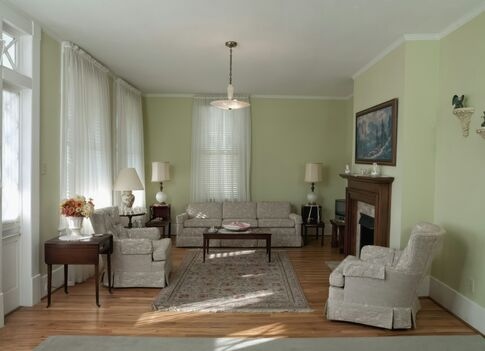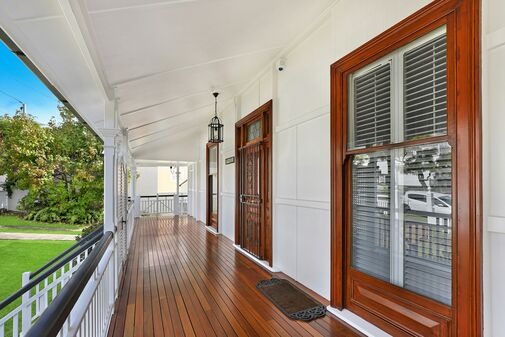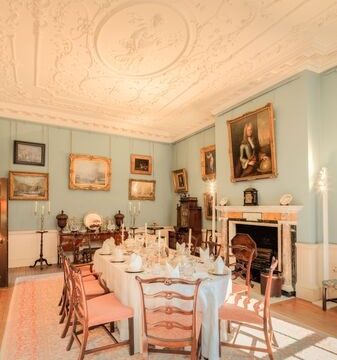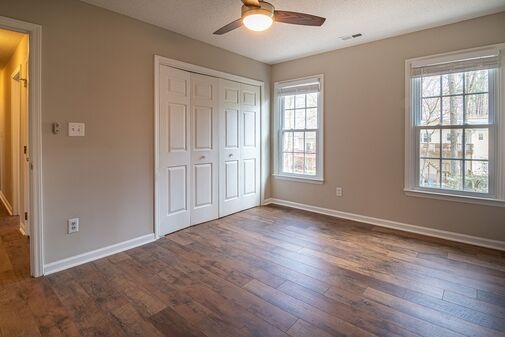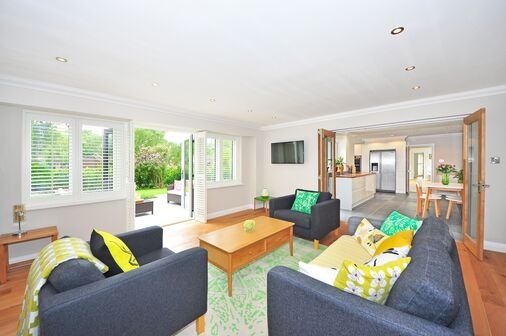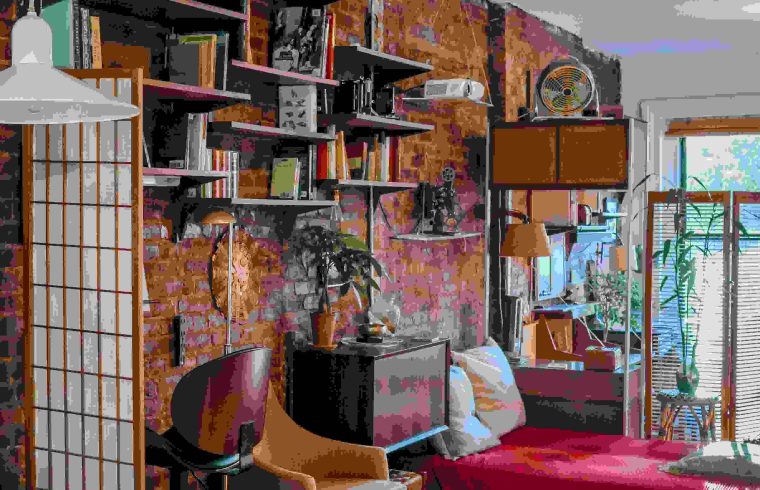
Mid-century modern is a style of architecture, interior design, product design, and graphic design that generally reflects 20th-century developments in modern design and urban development. Mid-century modern design (1930s–1970s) prioritizes functionality, clean lines, and organic forms, combined with natural materials like wood and bold colors. This style is popular for its simplicity, open space concept, maximum natural lighting through large windows, and sleek furniture.
Mid-century modern can be considered the inspiration for the birth of the modern minimalist home design style. The design style itself has been around since the 1940s.
Typical characteristics of mid-century homes include:
compact and aesthetically pleasing shapes;
open spaces;
large glass windows;
geometric lines; and
a strong integration with nature.
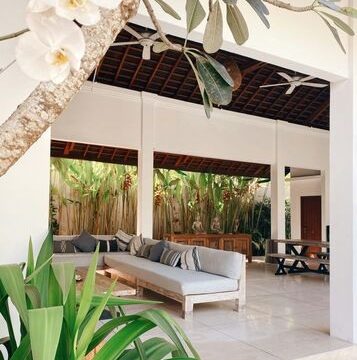
Mid-century modern architecture is characterised by flat roofs, angular features and an asymmetrical appearance. This residential style is also characterised by extensive use of glass and wide open spaces. Mid-century modern design integrates the outdoors into the interior.
The most visible characteristics of mid-century modern homes are the regular geometric lines and flat roofs. Whether furniture or wall decorations, clean geometric shapes are typically featured.
In mid-century modern, warm, natural colors, such as wood, are the central color scheme. Other colors used include olive green, mustard, orange, yellow, and even trendy hues like pink, gray, turquoise, and black.
Smaller bedrooms make household chores easier and allow families to spend more time together rather than alone in the bedroom all day.
Lamps like chandeliers, bubble lamps, and floor lamps are typical mid-century modern lighting fixtures that add a dramatic touch to a room. While they often have unique shapes and artistic value, their function is also crucial. Lamp designs during this era were striking, allowing them to add a distinctive accent to a room.
–sh