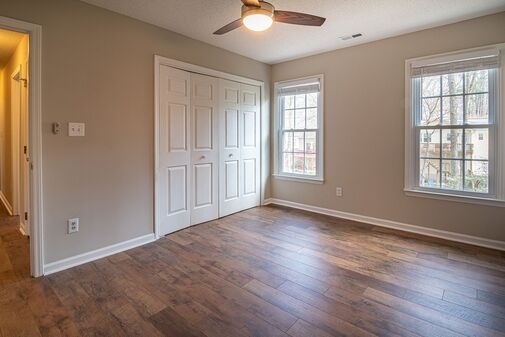
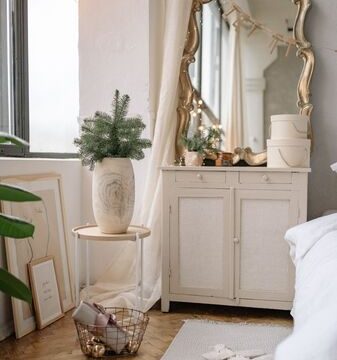
Most homes are built with fixed walls, but the way we live in them rarely stays fixed. A studio apartment needs a sleeping corner that doesn’t feel like part of the living room. An open-plan space might need a quiet spot for working from home. A large family room sometimes just needs a little more structure. That’s where a room divider comes in, and it’s often a far better solution than people expect.
Why a Room Divider Is a Smart Choice for Any Home
The biggest reason is flexibility. Unlike a built wall, a room partition can be moved, folded away, or swapped out when you need to change. Renters love it because it changes how a space works without touching the structure. Homeowners like it for much the same reason, and because the cost is a fraction of any renovation.
Privacy is another benefit, but a divider does more than block sightlines. A good screen softens a space, adds texture, and can easily become the best-looking piece in the room. Place a carved wooden screen between a dining area and a living room, and suddenly both zones have their own character. Light matters too. Open designs such as lattice or woven panels let daylight pass through, so you can separate areas without leaving one half of the room dark.
What to Consider Before You Choose
Once you’ve decided a divider fits your home, the real work starts: picking the right one. A few practical questions make that much easier.
Material and Look
Material sets the tone. A wooden room divider, especially one made from teak or mahogany, brings warmth and looks strong, and it pairs well with both classic and contemporary interiors. A rattan room divider, on the other hand, feels lighter and more relaxed. Its natural weave suits tropical, Scandinavian, and boho-style rooms, and it adds an airy, textured quality that’s hard to get from other materials.
Format and Flexibility
Next, think about how you’ll actually use it. A folding screen is the most versatile option. It opens wide when you need it, folds flat when you don’t, and is easy to store. Fixed or freestanding panels, in contrast, suit places where the separation is permanent, such as an entryway or a restaurant seating zone. Hinged models also tend to be more stable on uneven floors, which is worth checking before you buy.
Size and Placement
Finally, measure. Height matters more than most people think. A divider around 170 to 180 cm gives real privacy, while a lower one keeps things open and casual. Width, the number of panels, and the floor space you can spare all, affect how the piece sits in the room. For a bedroom, a shorter screen may be enough. For an office or a hotel suite, you will probably want full height.
Durability and Quality: What to Look For
A room divider may not carry weight like a chair or a bed, but it still gets moved, folded, bumped, and exposed to changes in humidity. That’s why build quality deserves close attention.
Start with the frame. Solid, properly kiln-dried wood resists warping and cracking, which is the most common failure in cheaper screens. Then look at the joints. Mortise-and-tenon joinery lasts far longer than glue and staples alone. On hinged models, check that the hinges are metal, firmly attached, and smooth in both directions.
With rattan, the weave tells you plenty. A tight, even pattern with neatly finished edges signals skilled work, while loose strands or uneven tension usually point to shortcuts. A good protective finish matters just as much, particularly in humid climates, because it helps prevent mold and keeps the natural color from fading too quickly.
A well-chosen room divider does more than separate space. It adds beauty, improves how a room works, and adapts as your life changes. Think about material, format, and size first, then insist on solid construction. Do that, and you’ll end up with a piece that looks great and lasts for years. And if you’re looking for a divider with real craftsmanship behind it, Indonesian furniture is a very good place to start.