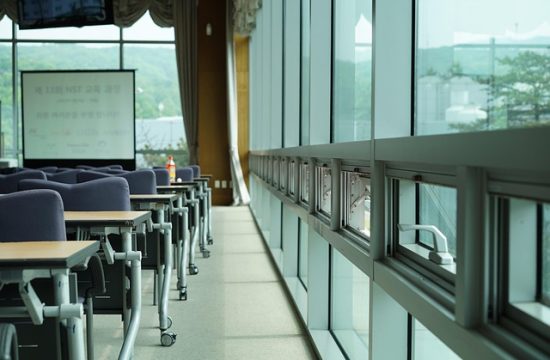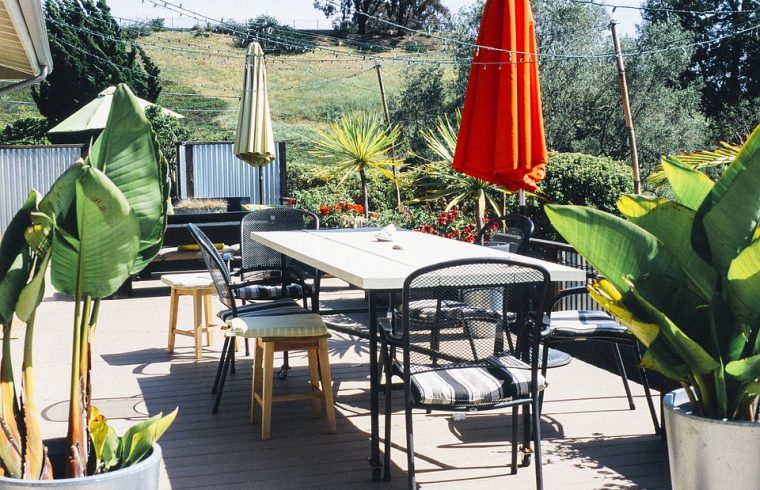
When choosing outdoor furniture, it’s important to consider not only aesthetics but also weather resistance and longevity. Outdoor areas such as gardens, terraces, balconies, and rooftops require materials that can withstand heat, rain, and humidity. In this regard, iron is one of the most reliable materials. However, not all types of iron are suitable for outdoor use.
Iron is one of the most durable materials for outdoor furniture. Its resistance to pressure, impact, and weather makes iron a popular choice for furnishing outdoor areas such as gardens, balconies, and terraces, as well as outdoor cafés and restaurants. This material is also often used for school tables and chairs that require high durability in open spaces.
Advantages of iron for outdoor furniture:
Sturdy and durable: Iron has high structural strength, making it resistant to damage, even when exposed to strong winds or heavy loads.
Ease of shaping: Designs can range from minimalist to classic vintage with carved ornaments.
Stability: Due to its weight, iron furniture tends to be resistant to shifting.
Iron adds an elegant, modern touch to outdoor spaces.
Because outdoor areas are more susceptible to extreme weather, high humidity, and direct sunlight, choosing the type of steel for outdoor furniture requires special consideration.
Only a few types of steel are recommended for outdoor furniture due to their superior durability. Here are three of the best types of steel worth considering:
Stainless Steel
It is a popular choice for outdoor furniture because it resists corrosion and rust, even in humid conditions. Its high chromium content forms a protective layer on the metal’s surface, making it resistant to oxidation. Stainless steel is not only strong and durable, but it also has a shiny appearance that gives a modern, clean look. It is also often chosen for school desks and chairs in semi-outdoor areas because it is easy to maintain and resistant to humidity.
Wrought Iron
It is known for its extraordinary strength and ability to be shaped into various artistic designs. This type of steel is often used to create classic or vintage-style furniture, such as park benches with beautiful curved ornaments.
Although sturdy and durable, wrought iron is heavier than other types of steel, which makes it stable for outdoors. However, to maintain its rust resistance, wrought iron needs to be periodically coated with anti-rust paint. In addition to garden decorations, wrought iron can be used to make classic, durable school desks and chairs.
Galvanized Hollow Iron
It is iron that has undergone galvanization, which involves coating the metal with zinc to protect it from corrosion. This type of iron is lightweight yet strong, making it suitable for various outdoor furniture applications.
Galvanized iron is coated with a protective layer that gives it good resistance to humidity and rain, though it is not as tough as stainless steel. Furniture made from galvanized hollow iron generally has a modern, minimalist design suitable for those who prefer a clean, simple look.
This type is widely used for modern school desks and chairs, which require durability in outdoor areas but still have a simple design.
How to Care for Iron Furniture to Make It Last
Although iron is naturally durable, it still requires maintenance to remain attractive and functional. Here are some maintenance tips you can follow:
- Powder Coating Finishing
Use a powder coating finish to make outdoor iron furniture more durable. This finish can prevent rust when the furniture is exposed to water and outdoor air. - Clean Regularly
Dust, rainwater, and dirt can wear down the finish. Use a soft cloth and mild soap to regularly clean the furniture’s surface. - Use Protection
Cover outdoor furniture with a waterproof cover when not in use, especially during the rainy season. This will reduce the risk of rust and extend the life of the finish. - Check for and repair minor damage
If scratches or scuffs appear, immediately recoat them with anti-rust paint. Do not leave the surface exposed to damp air for extended periods.
–sh