By Jean Gil, Kaye Llanto, Jose Soriano, Maybs Uy
Backtrack to some 25 years ago, and chances are, furniture was made by a Mang Ambo, a furniture maker from Baliuag who specialized in carabao bone inlay. People did not just take a trip to the mall and come home with ready-made pieces right off the shelf for their ancestral homes. Mang Ambo would actually come over, and bring a set of chairs in unfinished stages to have them approved, before actually proceeding to complete the project. Or the customer would drop by the shop to check on the chairs.
Such was the meticulous process that was involved in customizing furniture. Today, you can practically furnish a house with ready-made furniture bought on the spot from a showroom, but the charm of custom-made furniture still remains.
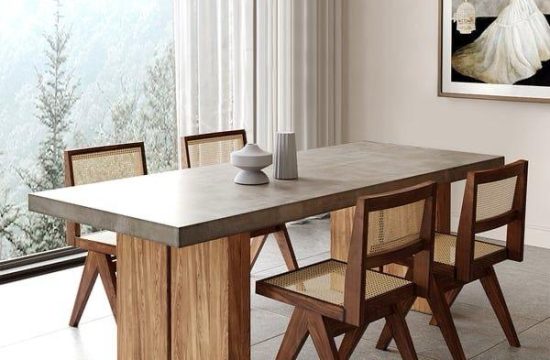
Particular about the form, color, fabric, trim, or finish of your furniture? In need of furniture that fits the exact specification of an area of your house? Tired of fitting your growing family into the standard six-seater dining table or itsy-bitsy living room set? When what they have on the showroom floor simply won’t do, custom-made furniture is the way to go for you.
No small expense
An important consideration is cost. Custom-made furniture generally cost more. Ready-made furniture is affordable because these pieces are mass-produced. These manufacturers do not ask you the exact color you prefer for that sofa or whether you want wooden or metal legs for your lounge chair. They simply attempt to make something that they hope would fit most buyers’ tastes.
Custom furniture allows you countless options, from the design of the piece, down to the last piece of material. Despite the cost, however, you can ensure the quality of the piece, and save up on costs of having to repair or replace store-bought pieces that are made of more economical materials.
In some cases, custom-made furniture is actually the practical alternative when the furniture piece that you set your heart on is not available locally, or when you can’t spring $3,000 for a single Hans Wegner JH 501 chair.
Also, as opposed to ready-made furniture, you usually don’t have to pay the full amount right away, as you can pay it in installments until you get the finished piece depending on your arrangement with the manufacturer.
The long wait
Time is another important consideration. How long can you wait?
In ordering custom-furniture, you have to allow for a lead time of three weeks or more, depending on the complexity of the design.
Even the time of the year can play a significant part on production time. More often than not, manufacturers usually need a longer lead time during rainy season to allow for wood finishes to dry completely, or during exhibition periods, when they are rushing pieces for foreign buyers.
Still another consideration is if you have some patience for coordination. Generally you will have to communicate with the manufacturer very clearly about what you need.
However, it doesn’t stop there. In cases of larger furniture, like a sofa or built-in furniture, you would have to bring the furniture manufacturer to your place to have them measure the area where you intend to put the pieces. Then you have to check on them and make adjustments, if needed, before they proceed.
Other details also come into play. An actual finish, especially with wooden furniture, has to be agreed upon. If you are using fabric, decide on whether you will source it yourself or have them show you swatches for approval.
Finding the right manufacturer
Ask for recommendations for starters. They can show you the pieces they’ve had commissioned, and you can get an inside track on their furniture makers and their working relationship with their customers.
If you have an interior designer, his/her services generally include sourcing suppliers as well as communicating the design to the furniture maker. An added bonus here is that if you have your own design, both your furniture maker and interior designer can tell you if the design will work or can be produced or if the measurements are comfortable or not.
If you cannot get referrals, you can look through the yellow pages or go to malls and shops. This will require more research on your part. You may have to visit them first and ask them questions. Ask them about their furniture and more often than not they will be glad to show you pictures of what they have made. Ask also to see the actual finished items which they generally have in their showroom or factories. Ask about their lead times, materials and finishes, prices, etc.
You can also get in touch with furniture associations like the Chamber of Furniture Industries of the Philippines at www.cfip.org.ph, who may be able to refer you to the right furniture makers based on your needs.
Find out more about furniture and interior design at the Philippine School of Interior Design Advanced Class of 2014’s graduation exhibit, dubbed as “Forty, Filipino, and Fabulous†(“F3â€) on Sept. 29 to Oct. 31, at the Paseo Center, Paseo de Roxas cor. Sedeno Streets, Salcedo Village, Makati City.