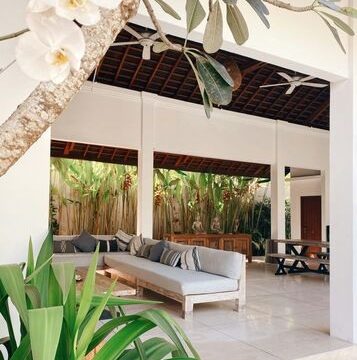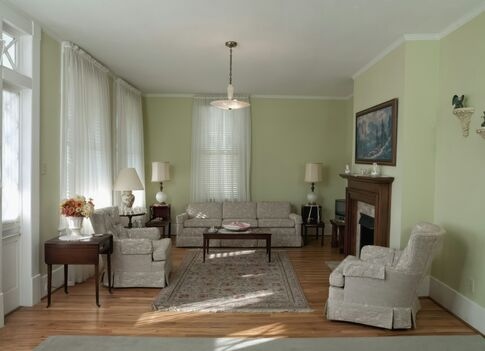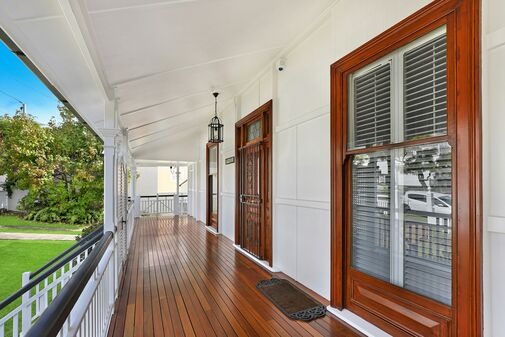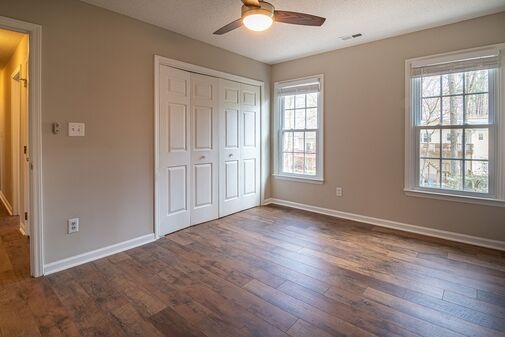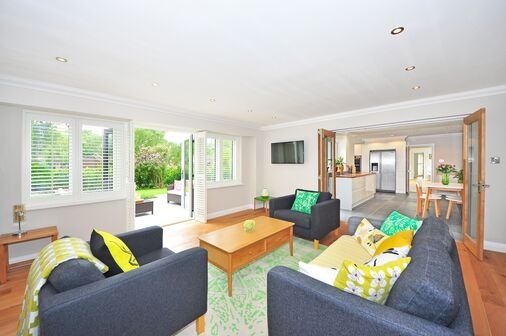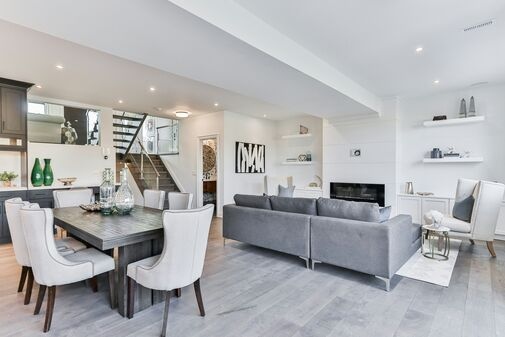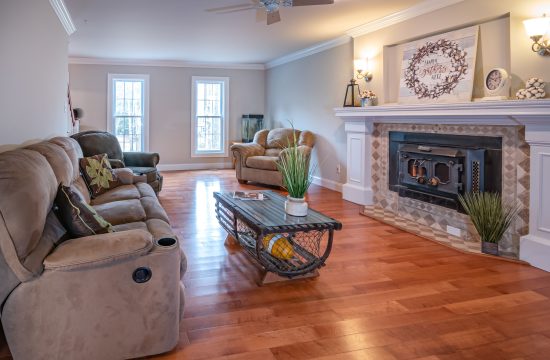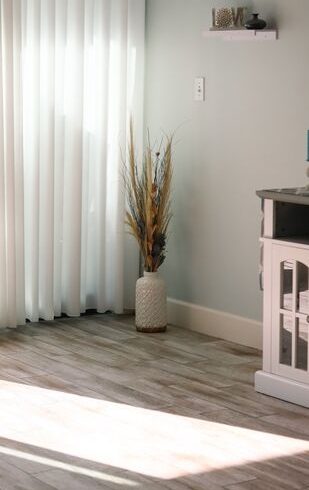
Synthetic flooring is currently very popular. With their beautiful designs, comfort, and ability to enhance a home’s aesthetic appeal, synthetic flooring is gradually replacing ceramic tile, which is starting to feel a bit boring. However, the high cost of real wood flooring means it’s only accessible to a select few. In fact, if you look into synthetic flooring more closely, you’ll find affordable options with wood-like patterns.
Synthetic flooring is a type of flooring made from materials other than solid wood. These materials can include plastic, stone, PVC, and even wood dust waste. Synthetic flooring is a viable alternative to solid wood flooring.
Laminate Flooring
Laminate flooring is a type of wood-patterned flooring made from HDF as its base material. What is HDF? HDF stands for High-Density Fiberboard; this material consists of 80–85% wood dust and 15% additives that act as binders and hardeners. Laminate flooring consists of several layers: HDF wood floor as the main material; an overlay—a protective, scratch-resistant layer on the floor’s surface; a decorative laminate layer that provides the wood grain pattern; and a counter layer as the bottommost layer.
Because it’s made from wood-based materials, this flooring still retains the feel of solid wood. It creates a striking contrast with the room. Laminate flooring also offers great value, thanks to its ease of installation. Combined with its relatively affordable price, laminate flooring can serve as a viable alternative to solid wood flooring.
Cons of laminate flooring:
While the wood base is a plus, it can also be a drawback for laminate flooring because using a wood base means you must be careful about the floor’s moisture levels. Moisture is wood’s main enemy. In terms of durability, laminate flooring still falls short of solid wood flooring, which is why people generally prefer solid wood flooring over wood-patterned laminate flooring.
Wood-Patterned Vinyl Flooring
Another type of synthetic flooring that’s quite popular among consumers is vinyl flooring. Vinyl flooring is made from PVC. Unlike laminate flooring, which uses wood as its primary material, vinyl flooring contains absolutely no wood at all.
There are several types of vinyl flooring, including:
Vinyl Roll
Vinyl Plank
Vinyl Click
Vinyl Tile
Vinyl Stickers
Each type of vinyl flooring has its own functions and advantages. However, if asked which one is most widely used, the answer is Vinyl Plank because this type of vinyl is similar to laminate flooring but easier to install.
The Benefits of Wood-Patterned Vinyl
Since it contains no wood whatsoever, this vinyl is resistant to moisture, termite-proof, and will not rot. Vinyl flooring is also the easiest type of synthetic flooring to install.
Cons of Wood-Patterned Vinyl
The absence of wood isn’t solely an advantage. In fact, because it lacks wood in its base material, this flooring isn’t as comfortable as real wood, doesn’t provide the same contrast with the room, and isn’t as healthy.
WPC Flooring
Wood-plastic composite is abbreviated as WPC. It is a type of flooring composed of 60% wood flour, 30% plastic, and 10% chemicals. Other sources state that WPC consists of 70% pure polymer, 15% wood flour (fibers), and the remaining 15% additives.
WPC is widely used in outdoor areas such as pool decks, rooftop balconies, and other outdoor spaces. Additionally, WPC synthetic flooring can also be installed indoors, on walls, and on ceilings.
Advantages of WPC Flooring
WPC is a type of flooring that strikes a balance between the aesthetic appeal and comfort of wood and the strength of plastic. Consequently, its attractive appearance combined with excellent durability makes this flooring seem perfect.
Disadvantages of WPC Flooring
People often seek synthetic flooring options because solid wood flooring is considered expensive; however, WPC flooring is priced similarly to—or even higher than—solid wood. Furthermore, WPC flooring can melt when exposed to high temperatures.
SPC Flooring
To address the shortcomings of WPC, SPC—or Stone Plastic Composite—was developed. The blend of stone and plastic makes this flooring as strong as other types of stone flooring, yet it is not prone to breaking because it is bound together with a plastic composite.
Advantages of SPC Flooring
SPC offers extremely high durability—perhaps the highest among all types of synthetic wood-patterned flooring. It won’t warp or become porous; it’s sturdy and resistant to moisture.
Cons of SPC Flooring
SPC contains no wood whatsoever, so it doesn’t have the comfortable, soft feel of real wood that adds contrast to a room. Because it’s made from a mixture of stone and plastic, this flooring is not much different from ceramic tile.
–sh