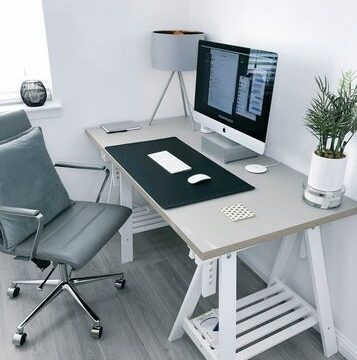
A child can lose focus after twenty minutes of homework for plenty of reasons, and an ill-fitting chair is one of the most overlooked. When a seat is too tall, a backrest sits in the wrong place, or a frame wobbles at every shift, the child would uncomfortable while they studying. That is why the children’s chair you choose for your child’s desk deserves as much thought as the desk itself.
Why the Right Chair Changes How Children Learn
Kids today spend more hours seated than previous generations did, between schoolwork, reading, drawing, and screen time. Over those hours, small discomforts add up. A child who slouches, perches on the edge of the seat, or constantly fidgets are often telling you, without words, that the chair doesn’t fit.
A well-chosen kid’s desk chair supports the body so the mind can do its job. When feet rest flat on the floor and the back is gently supported, children sit more comfortably and stay engaged longer. Good posture support for children also matters beyond homework time, since habits formed during growing years tend to follow people into adulthood.
Look for Adjustability First
Children grow quickly, sometimes noticeably within a single school year. A fixed-size chair that suits your seven-year-old today may be awkward by next spring. This is where an adjustable kid’s chair earns its place. Seat height, and ideally backrest height, should adapt as your child grows, so the chair stays useful for years instead of months.
As a simple check, your child’s knees should bend at roughly a right angle with feet flat on the floor, and forearms should rest comfortably at desk height without the shoulders lifting. If the chair can’t achieve that, it isn’t the right fit, however attractive it looks.
What an Ergonomic Design Actually Looks Like
The term “ergonomic” gets used loosely, so it helps to know what to look for. A genuinely ergonomic kids chair offers a backrest that supports the lower back, a seat depth that doesn’t press behind the knees, and a seat edge that is slightly rounded to keep circulation comfortable. Armrests, should sit at a height that doesn’t push the shoulders upward.
Of course, ergonomics is only part of the picture. A chair that is technically perfect but uncomfortable to sit in won’t be used willingly. Cushioning that is firm enough to support yet soft enough to be inviting, and breathable upholstery for long study sessions, make a real difference in daily use.
Safety and Stability Come Built In
Children are not gentle with furniture, and that’s perfectly normal. They lean back, swivel, climb, and drag chairs across the room. For this reason, safe children’s furniture should have a stable base, smooth edges, and finishes free from harmful substances. If a chair has wheels, look for smooth-rolling casters on a wide base to reduce the risk of tipping. For younger children, a stationary design with sturdy legs is often the safer choice. A chair built with a generous margin will hold up better and feel more secure under an active child.
Durability: Buying Once Instead of Repeatedly
Quality materials show their value over time. Solid wood frames, reinforced joints, and high-quality fabrics or finishes resist the wear that daily use brings. Cheaper chairs often start to loosen, creak, or fray within a year, which means replacing them sooner and spending more in the long run.
When you’re comparing options, examine the joints, the stitching, and the overall weight of the piece. A chair that feels solid in the showroom usually stays solid at home. Durable furniture also holds up well when passed down to a younger sibling, which adds even more value.
Design That Your Child Will Actually Want to Use
Practical features matter most, yet style plays a bigger role than many parents expect. A child who likes their chair is more likely to sit in it and to treat their study space as their own. Soft colors, natural wood tones, or playful accents can make a corner of the bedroom feel inviting without being distracting.
It also helps to think about the room as a whole. A chair that complements the desk and the surrounding decor creates a calm, organized space, and a tidy environment supports better focus. Fortunately, quality no longer means sacrificing looks, so you can find designs that suit both a young learner and a growing teenager.
Making the Final Choice
Before you buy, measure your child’s seated height and check that the chair’s range of adjustment matches it. If possible, let your child try it. Their comfort in the first few minutes often tells you more than any product description.
Ultimately, the best study chair is one that fits properly, supports healthy posture, stands up to daily life, and looks like it belongs in your child’s room. Invest in those four qualities, and you give your child a comfortable foundation for every hour of learning ahead.