Furniture rarely gets the credit it deserves. A chair is something you sit on dozens of times a day, drag across the floor, stand on to reach a high shelf, and sometimes spill juice on. Choosing the right one matters more than most people expect, and that’s exactly why the humble plastic chair deserves a second look.
Not so long ago, plastic seating had a reputation for being flimsy and a bit boring. That picture is badly out of date. Today’s plastic chair furniture is engineered, tested, and designed with real households in mind. It’s light, tough, affordable, and available in shapes that wouldn’t look out of place in a magazine spread.
Why a Plastic Chair Makes Sense for Today’s Families
Modern households ask a lot of their furniture. The dining table doubles as a homework desk, the living room becomes a play area, and the balcony turns into an extra seating zone whenever guests drop by. A chair that can handle all of that without fuss is worth having. This is where plastic furniture really earns its place. A good plastic chair is easy to move from room to room, simple to wipe clean, and gentle on your budget. You can buy a full set without worrying about every scratch or scuff. For growing families, that peace of mind is hard to put a price on.
Cost is only part of the story, though. Plastic seats don’t absorb moisture, so they cope well with humid climates, kitchen spills, and the occasional splash by the pool. Wood can warp and fabric can stain, but a quick rinse is usually all a plastic chair need.
What to Look for Before You Buy
Of course, not every plastic chair is created equal. Once you’ve decided the material suits your lifestyle, the next step is knowing what separates a great chair from a disappointing one.
Start with the material itself. Polypropylene is the most common choice, and for good reason: it’s strong, flexible, and resists cracking. Cheaper, thinner plastics may look similar in a showroom, but they tend to become brittle over time. If you can, press on the seat and backrest. A well-made chair gives slightly under pressure and then returns to its shape.
Next, consider where the chair will live. Indoor dining chairs can prioritise style and comfort, while outdoor models should include UV stabilisers so the colour doesn’t fade or turn chalky after a few months of sun. Stack ability is another practical detail. If space is tight, chairs that nest neatly together can save you a surprising amount of room. Weight capacity deserves a quick check as well. Most quality adult chairs support well over 100 kg, but the number should be clearly stated rather than assumed.
Choosing a Children Chair That Grows with Your Family
Parents have their own set of priorities, and a children chair is a category that rewards careful shopping. Kids are wonderfully rough on furniture. They tip, climb, and rock back on two legs the moment you look away.
For that reason, look for rounded edges, a wide and stable base, and a smooth finish with no sharp molding lines. Seat height matters too. A chair that’s too tall leaves little feet dangling, while too low makes sitting at a table awkward. Lightweight designs let children move their own seats, which they love, but the base should still be steady enough to resist tipping. Colour plays a role here as well. Bright, cheerful tones make a study corner or play area feel inviting, and plastic holds those colours far better than most paints or fabrics.
Durability and Quality in Daily Use
Durability is where plastic furniture often surprises people. A well-made chair can handle years of daily use, including sticky fingers, sunny terraces, and constant rearranging. Reinforced legs and a moulded seat shell spread weight evenly, reducing the stress points where cracks usually start.
Quality shows up in the details. Look at the joints between the legs and the seat, because that’s where weak chairs tend to fail first. Check for a consistent surface finish, too. Uneven texture or visible bubbles often point to a rushed manufacturing process. Likewise, non-slip feet protect your floors and keep the chair steady, which matters for safety as much as convenience.
Design and Comfort Without the Compromise
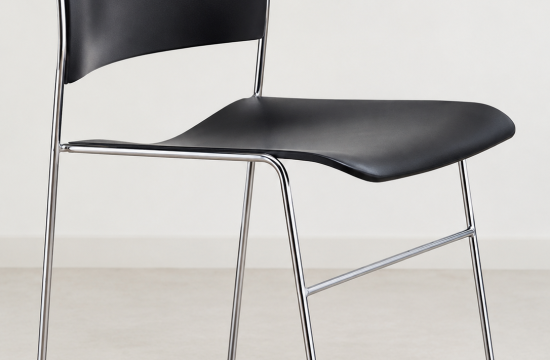
Here’s the part that tends to change minds. Comfort used to be the weak spot of the plastic seat, but ergonomic moulding has changed the game. Contoured backrests support the lower spine, gently curved edges reduce pressure under the thighs, and ventilated patterns keep you cool in warm weather.
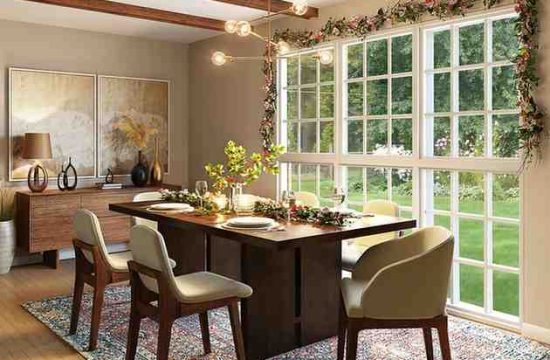
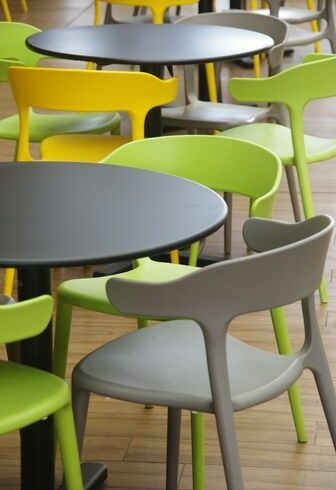
Design has moved on just as much. You’ll find minimalist Scandinavian silhouettes, retro shell shapes, translucent finishes, and woven-look textures that echo rattan. That variety means a plastic chair can sit comfortably alongside a solid wood table or a sleek modern console without clashing. If you want a little extra cushioning, a simple seat pad adds comfort and personality in seconds.
Finding the Right Fit
In the end, the best plastic chair is the one that matches your daily routine. Think about who will use it, where it will sit, and how often it will be moved. Once those answers are clear, the decision gets much easier.
Whether you’re furnishing a family dining area, setting up a study corner for the kids, or adding flexible seating for guests, quality plastic chair furniture offers a rare mix of practicality, style, and value. It’s a small upgrade that makes everyday life a little easier, and your home will feel the difference.