HAMISH RUTHERFORD
IN A cruel economy for manufacturing jobs Robert Morris’ success stands out. The third-generation boss of Glasgow’s
Morris Furniture Group – furnishers of the QEII and Gleneagles – he has rebuilt the company through organic growth and acquisition into a £70 million turnover outfit, manufacturing 80,000 pieces of furniture a month. His next target: £100m a year within three years.
This success in a declining sector is being driven by a man of arresting appearance – he visited his Birmingham factory dressed as Willy Wonka – and who claims he doesn’t care if he makes money.
“It’s all just a bit of fun. Business must be fun, that’s the way we are here. When there’s work to be done we do it, but work should be fun. Life’s too serious.
“I accept that out there,” he points outside, “I am unconventional, that’s why I could never be on the stock exchange, dealing with some wee Porsche-driving geek who would rather support a dot com that’s been around for six months than an established furniture company.”
Morris says remaining a private company – he is 100 per cent against any flotation, now or in the future – has allowed him to develop a company with a long view, freed from the requirement to come up with a profit every quarter to satisfy investors.
Morris insists on extensive training for staff and therefore doesn’t want them to even look for other jobs. Besides the subsidised cafe and gifts of watches and bathrobes, staff are offered medical checks. His policy of no redundancies is one he believes improves productivity in the long term.
“Yes it would be easier if you could just get rid of staff in a downturn, but what kind of way is that to build a workforce that you want to be motivated?”
The no redundancies policy, however, was born at a time when Morris Furniture was in a bleak state of affairs. In 1975 Morris was forced to lay off two thirds of his less than 90 staff when the cash ran out.
“I swore after that there would be no more redundancies.”
The revival, Morris said, took much effort and strain.
“We would beg supplies out of suppliers, ask customers to pay quick, don’t take a salary, don’t take anything for years. Just the things that many companies have been through.”
Maintaining a distant smile, even now he cites taunts of those “people who said it couldn’t be done” as a primary motivation, rather than profit – claiming he does not care whether the company makes money.
The love of efficiency also drives the company; before moving to a new custom built factory in Polmadie, now developed to 700,000sq ft, Morris took lessons from the automotive industry – which he admires as the most efficient in the world – through trips to the continent.
“It’s the most efficient industry in the world, and in a lot of ways it’s the same as the furniture industry – they have lacquers, we have lacquers, they have lights, we have lights.”
Asked how his company can achieve in bulk manufacturing when so many cannot, Morris says the company pays close attention to how much it pays for materials. Obvious enough, but he points out he managed to get the materials price down for all of the three acquisitions made in the last year.
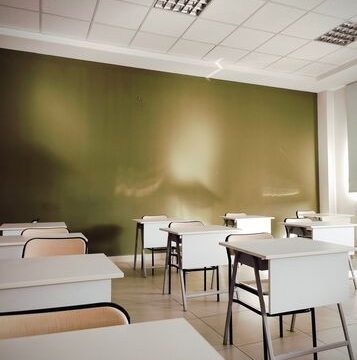
The acquisitions – Homestyle Kitchens and Bedrooms in February, and Diamik and Roc furniture in July, have also offered new markets for the company, increasing the ability to adjust as any area rises and falls. Morris Furniture now operates in nine markets, from kitchens and home furniture to schools.
“Markets move on, as some fall others get stronger. Our belief is that, if one of the markets goes down, over about a one or two-year period it does come back. You don’t lose it forever, and it allows you to move staff around to other areas.”
Only having moderate exposure to a fluctuation in any area means only moderate growth in any area should allow the £100m target to be achieved.
“If you look at PFI, there’s meant to be a couple of thousand schools refurbished in the UK in the next ten years. That’s a huge market, we’re only looking to get up to about 15 million in that market, so it’s not a huge jump.”
The markets must also be complimentary. He cites the example of Walls Ice Cream, originally born out of Walls Sausages, because, according to legend at least, demand for sausages during the summer fell.
Unlike many industries which have been forced out of the market by huge foreign competition, Morris says the most famous homeware company – Ikea – has helped him sell more furniture.
“People now view furniture as something you change every five years,” Morris laughs.
“Ikea is a wonderful marketing organisation; 100 tea lights for 99p, it seems so cheap, but when you actually get in their you find their prices aren’t all that cheap. We actually manufacture a lot of lines cheaper than they do.”