Bookshelves rarely get the attention they deserve in furniture shopping. Most people default to whatever fits against the nearest wall, then wonder later why the room feels cluttered or oddly proportioned.
Start With How You Actually Use It
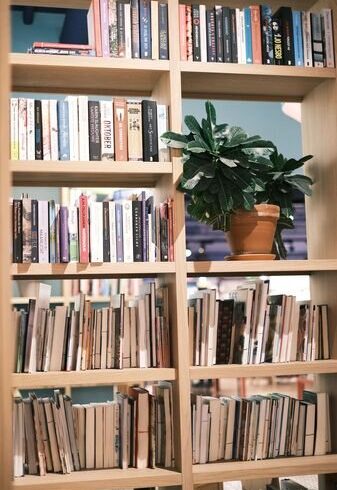
Before browsing styles, think about function. Is this shelf holding a serious book collection, or is it more of a display piece for framed photos, plants, and a handful of novels? Open shelving suits the latter — it invites decoration and feels airy in smaller rooms. Closed or half-closed cabinets work better if you want to hide clutter or protect books from dust and sunlight.
Matching Wood and Style to the Room
Solid wood bookshelves, whether in teak, mahogany, or white cedar, tend to outlast trends and hold up better than particleboard alternatives, especially when shelves are loaded with heavy books. For modern interiors, a simple ladder-style or open-back bookshelf keeps things visually light. Traditional or classic homes usually pair better with a taller cabinet-style shelf, ideally with some carved or panelled detailing.
Height matters more than people expect. A floor-to-ceiling bookshelf can make a small room feel taller and more intentional, while a low, wide unit works well as a room divider or TV console alternative.
Don’t Forget the Structural Basics
Sagging shelves are one of the most common complaints, usually caused by thin shelving or wide, unsupported spans. Look for shelves no wider than about 90 cm without a center support, and check that the wood thickness feels solid rather than hollow.
A well-chosen bookshelf does more than store books — it quietly shapes how a room feels. Worth the extra five minutes of thought before buying.