Buying furniture from overseas is exciting, but one worry tends to follow every order: will it actually arrive in one piece? A beautiful teak dining table means will less its value if it shows up scratched, cracked, or damp after weeks at sea. That’s why the way furniture is packed matters just as much as the way it’s built, and it’s one of the quiet strengths of Indonesia furniture shipping.
Why Packing Matters as Much as Craftsmanship
A container journey from Java to Europe, the US, or the Middle East can take four to eight weeks. Along the way, the cargo faces vibration, humidity swings, stacking pressure, and plenty of handling at ports. Solid wood and rattan are natural materials, so they respond to all of this. Good packing is what protects them.
Indonesian manufacturers have been exporting for decades, and most experienced factories treat packing as part of production, not an afterthought. In practice, a piece of Indonesia furniture is only considered finished once it’s ready to travel.
The Step-by-Step Packing Process
So, what does it look like when furniture is packed for export? While details vary by factory and product, the process usually follows a familiar pattern.
Quality check and drying. Before anything is wrapped, each piece is inspected for finish, joints, and moisture content. Wood that’s properly kiln-dried is far less likely to warp or crack in transit, which is why reputable factories take this step seriously.
Protective wrapping. Next, surfaces are covered with soft layers such as foam sheets, bubble wrap, or fabric. Corners and edges, the most vulnerable spots, usually get extra padding.
Cartons and crating. Smaller items like chairs and side tables are typically boxed in multi-layer cartons. Larger or more delicate pieces, including carved cabinets, may be protected inside wooden crates or a reinforced frame.
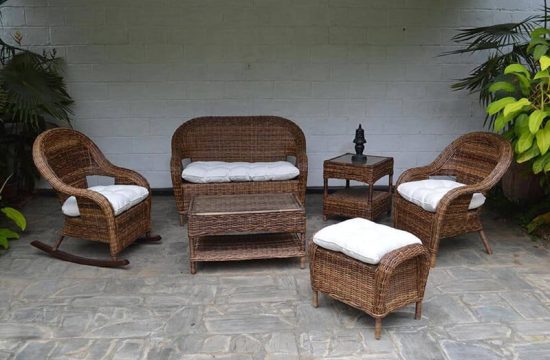
Moisture protection. Because containers can get humid, many exporters add silica gel or desiccant packs and seal the wrapping carefully. This helps keep the finish and natural fibres in good condition, especially for rattan furniture.
Flat-pack and knock-down options. Some designs can be partially disassembled. Beds, large wardrobes, and dining tables are often shipped as knock-down sets with hardware labelled and bagged. As a result, they take up less space and are less exposed to impact.
How Containers Are Loaded
Packing doesn’t stop at the carton. Loading is where an experienced team really shows its value. Heavy items go on the bottom, lighter ones above, and gaps are filled with cushioning or wooden bracing so nothing shifts when the container moves. Many suppliers also photograph the loading process, which gives buyers some reassurance before the shipment even leaves port.
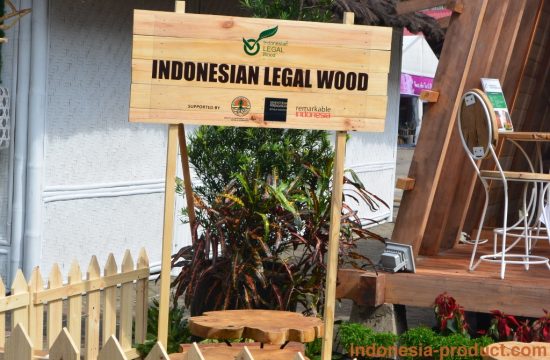
Alongside this, exporters handle the paperwork that international buyers need. Depending on the destination, that can include a timber legality certificate (SVLK), fumigation or treatment documents, and a commercial invoice. Having a supplier who understands these requirements save a lot of back-and-forth.
What to Look for When Choosing a Supplier
With all that in mind, how can you tell whether a manufacturer is ready for international orders? A few practical signs help:
- They can explain their packing method clearly and show photos of past shipments.
- They offer both carton packing and crating, depending on the product.
- They mention moisture control and kiln-dried material without being asked.
- They can support container loading and export documentation.
- They’re open about lead times and production capacity.
Durability starts with materials, of course. Indonesia is known for teak, mahogany, and rattan, and these materials hold up well when handled correctly. Add skilled joinery and careful finishing, and you get furniture that is built to last long after it’s unpacked.
Why Indonesia Is a Smart Source for Furniture
Packing is only one piece of the puzzle, but it points to something bigger. Indonesian furniture manufacturers combine natural materials, hand-finished craftsmanship, and design flexibility in a way that’s hard to find elsewhere. Many factories can adjust sizes, finishes, and styles, from classic carved pieces to clean, modern lines, which makes it easier to match furniture to a home, hotel, café, or retail project.
Moreover, the industry has built up serious export experience. Manufacturers in regions like Jepara, Surabaya, and Cirebon regularly handle orders for buyers around the world, from single containers to ongoing wholesale programs. That track record shows in how smoothly the shipping process runs.
When furniture is packed well, the whole buying experience feels easier. You can focus on choosing the right design, comfort, and quality, knowing that the journey from workshop to your door is in capable hands. If you’re planning your next order, it’s worth asking not only how a piece is made, but also how it will travel. With the right Indonesian partner, both answers can be reassuring.