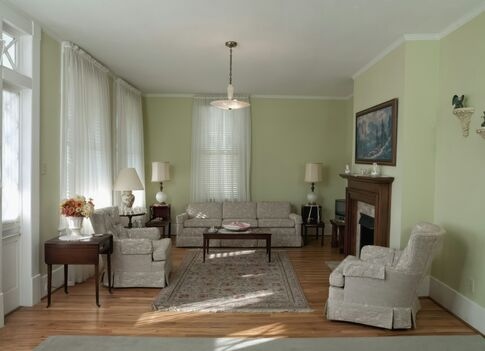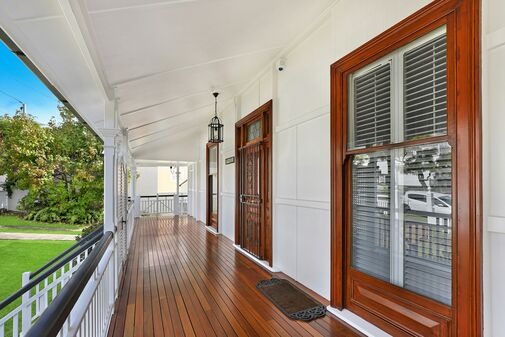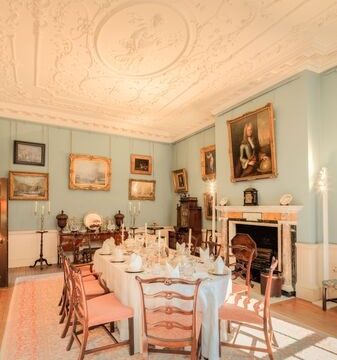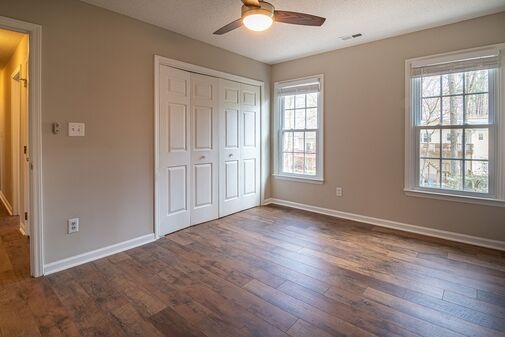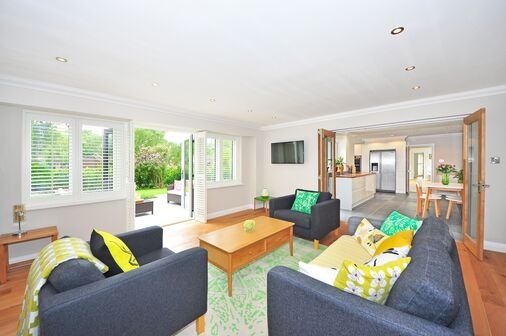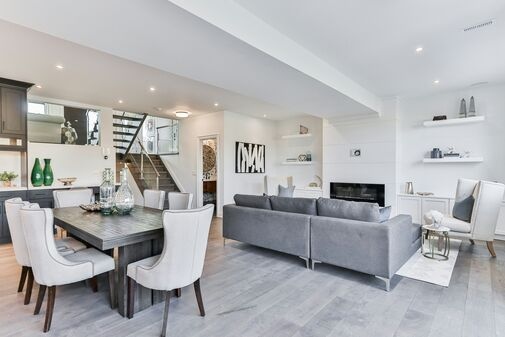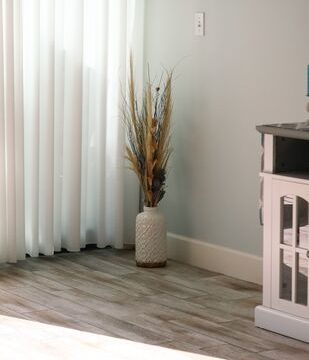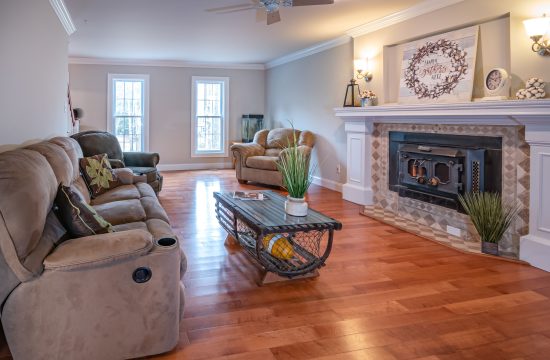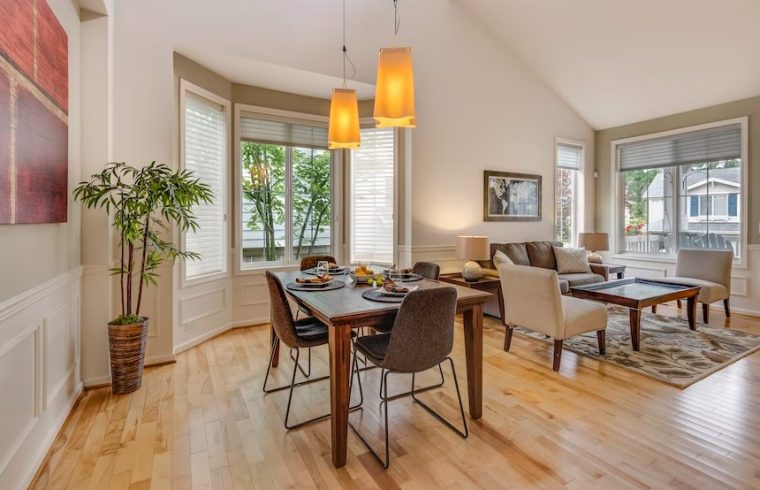
A mix of traditional and contemporary style, is the simplest explanation of the definition of Transitional design style. The term of “Transitional Design” is often used by interior designers to refer to the combination of these two elements to produce a classic yet timeless finish. The furniture in this design is simple, yet luxurious and sophisticated, featuring both straight and curves lines. This design commonly called as “traditional without extravagant” and “contemporary with history”. Interior Transitional Design invites you to take advantage of simplicity in lines, neutral and light tones, combination and warmth.
Why should we know about Transitional design? Because this is a popular style. Designers are seeing a drastic increase in the number of people who want to combine traditional elements (such as antique furniture) with clean, modern furniture. Even so, for some people to define and implement this Transitional design is not that simple. The extent to which the blend of traditional and contemporary elements is still not very clear. Here are some of the main features of the Transitional design that you can use as a guide in building this design.
Natural Color Tone
The main key in implementing a Transitional design is to stick to a natural color palette. Transitional Design is basically a minimalist design, so clean and airy impression is a priority in this design. Choose calming natural colors, such as white, light gray, brown, olive, vanilla and other natural colors. If you like neutral colors, layer them on walls or floors. Blue or pastel is also often used in a Transitional style room.
Furniture in straight and curved lines
Furniture in Transitional design has a combination of straight lines that characterize modern furniture and curved shapes that characterize traditional furniture. However, this combination does not give excessive impress and still looks solid and simple. This furniture also gives feminine and masculine elements. Furniture should be the main concern in the room, so the size must fit the room. Ideally, the furniture is the basis as a reference in forming the Transitional design, while the rest can follow the furniture.
No Excess Accessories
A minimalist approach used in this design so that only certain accessories are selected. Do not use too many accessories so that the room is not too heavy and excessive. Orchids in pots arching gracefully in front of the window, white mats displaying some photos in simple black and silver frames, an oval wooden tray for similarly shaped silver candle holders. This kind of grouping provides balance in the room without making it overcrowded.
Immortal Wood Element
Wood is still the main star in the Transitional design style. The natural and raw wood texture and details are preserved as a unique artistic value. You can choose furniture made of wood that has a texture and natural fiber pattern to emphasize the elegant atmosphere. Usually the furniture used is made of dark brown wood and coated with a luxurious veneer finish.
Prominent Texture Elements
Put textural elements such as wood, glass, lacquer, rattan, fabric, steel and metal with prominent textures and patterns is one of the characteristics of Transitional design. You can also use antiques, both used and new, into the house to give it a bit of classic touch.
Luxurious Fabric
Fabric materials, especially those used in sofa cushions, are a major concern in Transitional design. The lack of color makes the room need an interesting texture. Use fabrics like the olive-colored corduroy found on the picture sofa and creamy white cotton used on the two side chairs. Other great options for transition spaces are suede, chenille, velvet, and leather.
Add Mirrors and Metallic Elements
Although the Transitional Design is more close with wooden continental furniture, it does not mean that glass and metallic elements are forgotten in this design. Transitional designs often use glass and metallic iron elements that serve to reinforce a futuristic modern feel. Add a minimalist mirror, and metal furniture coated with silver or metallic paint to balance the existing traditional elements.
–sh